
An Exploration of School Principals' Leadership Strategies to...
Mar 6, 2024 | Views:208646 |
 Print Version

Office of Research, Impact and Postgraduate Studies
presents
An Exploration of School Principals' Leadership Strategies to Incorporate Technology for Curriculum Delivery: Successes, Challenges and Possibilities
by Mr Anthony Donaldson
In many secondary schools today, ICTs are regular features and fixtures in the teaching-learning process. Blended instructional strategies have become part of the teaching and learning process, with some schools combining in-person teaching with online learning. Moreover, technological devices have been employed to enhance the teaching-learning process for students and teachers, making it easier for them to conduct research, as well as improve access to online learning resources. Therefore, school leadership, in particular principals, must become competent in the integration of ICTs in curriculum delivery and the daily administrative functions of the school system.
This study focused on leadership strategies that school principals utilised to incorporate technology for curriculum delivery. It aimed to extricate the successes, challenges and possibilities regarding ICT integration as experienced by secondary school principals in Antigua. The research used a mixed-method convergent design to investigate the multiple facets of this education phenomenon. This research design was anchored by a leadership and an ICT integration theoretical framework. Moreover, data were gathered from school principals, teachers and students, through the use of online questionnaires and semi-structured interviews.
The researcher employed descriptive statistics, independent Samples T Tests, and One-way ANOVAS, to examine levels and relationships among different factors in the quantitative data. The qualitative data from school principals and teachers were subjected to thematic content analyses as a means of identifying the critical factors that facilitated or impeded ICT integration as explicated above. In keeping with the mixed-method convergent design, the quantitative and qualitative data were combined at the stages of interpretation, discussion and reporting in order to capture a global, in-depth and insightful understanding of the issue. This research sought to fill the gap in the area of school principal leadership strategies in the integration of effective technology use in academic institutions.
The study found that school principals employed various leadership strategies for integrating technology into the curriculum of the school such as the purposeful inclusion of ICTs for administrative purposes. The study also revealed several successes of technology integration in areas such as communication and instruction. Likewise, challenges with internet connectivity and the availability of appropriate equipment related to integrating ICTs into the curriculum of the schools came to the fore. Moreover, the findings revealed that future possibilities should include expanding curriculum delivery modalities and the integration of AI technology. Additionally, it was found that the quantitative analyses supported and, in some cases, countered qualitative results, these would be examined in the overall discussion of the findings.
Wednesday 6th March 2024 at 1:00 p.m.

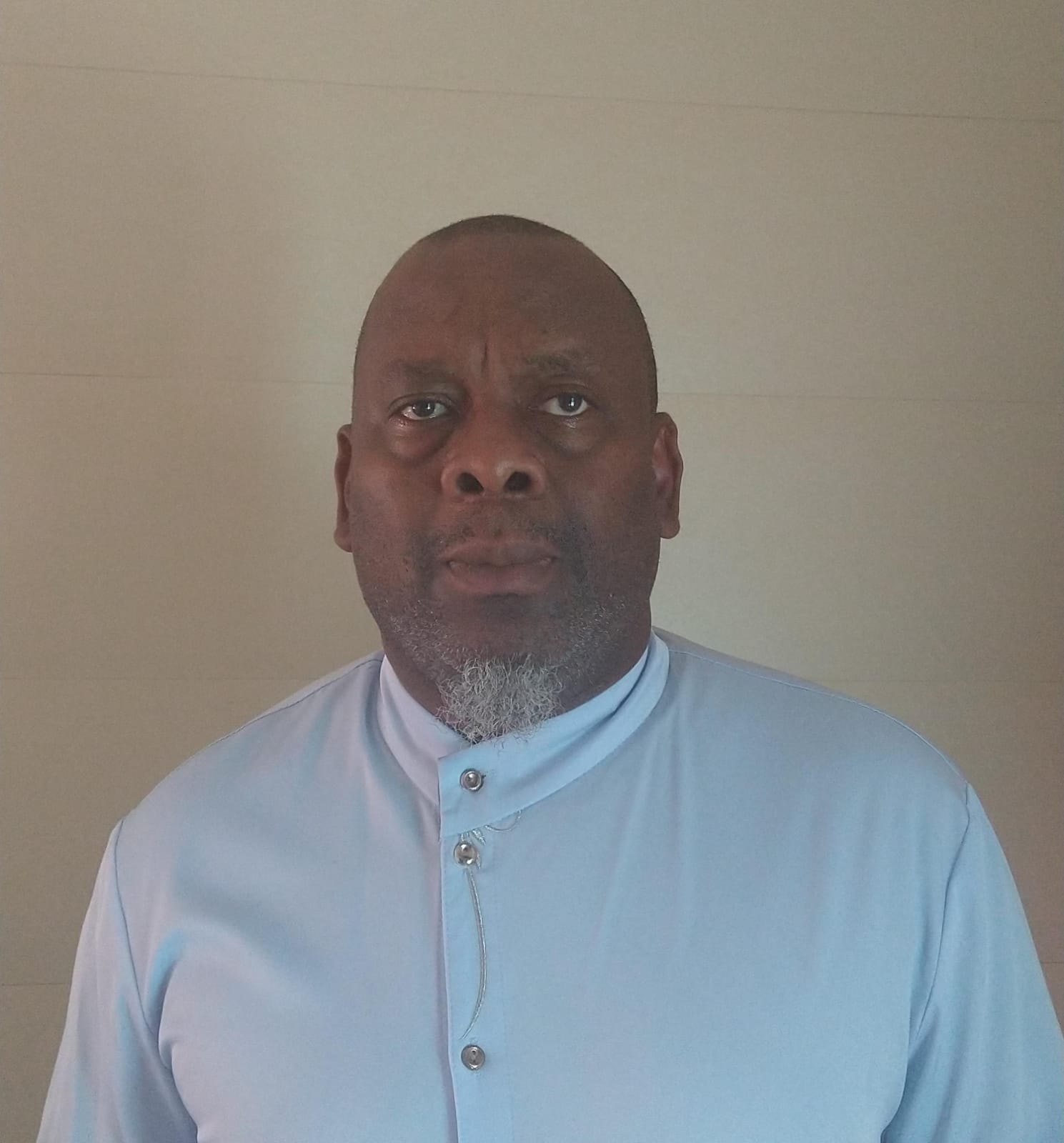
Mr Anthony Donaldson, a native of Antigua and Barbuda, has been in the teaching profession for the past twenty-two years. He has taught at the Holy Trinity School in Barbuda, the Boys Training School and the Clare Hall Secondary School in Antigua. While at the Clare Hall Secondary School, he was department head for the Social Sciences, where he was responsible for monitoring, coaching and providing feedback to novice and experienced teachers on teaching and student learning. He is now attached to the St. Mary's Secondary School where he teaches Social Studies. Mr Donaldson has also lectured part-time at the Antigua and Barbuda Hospitality Training Institute and the West Indies School of Theology, Antigua Extension.
Anthony holds a teaching certificate from the University of the West Indies, Cave Hill Campus, a Bachelor's degree in Theology from the West Indies School of Theology, Maracas Valley, Trinidad, a Bachelor of Science (B.Sc.) in Criminal Justice from Ashworth University and a Master of Education in Advanced Teaching from the University of the People. He is currently a Doctor of Philosophy (Ph.D.) student with a concentration in Education at The University of Trinidad and Tobago (UTT).
More Results


