
An Exploration of Homicide Co-Victimisation in East Port-of-Spain Trinidad
Jun 28, 2024 | Views:921 |
 Print Version

Office of Research, Impact and Postgraduate Studies
presents
An Exploration of Homicide Co-Victimisation in East Port-of-Spain Trinidad
by Ms Glenda Gonzales
The current study explored the lived experiences of homicide co-victimisation among females living within communities of East Port-of-Spain. Previous research revealed high rates of homicide victimisation in the district of East Port-of-Spain; the predominance of females and children as homicide co-victims; and the silence of victim’s voices on the topic of homicide victimisation. These indicate a need for a victim-centred approach to the issue of homicide. The guiding theory focused on positioning victims within the issue via Harre and Moghaddam (2009) positioning theory from a post-structural feminist framework.
Data were gathered purposively via field notes, interviews with sixteen (16) female homicide co-victims and seven (7) referential documents surrounding pertinent issues attached to security and safety in the district. The study used Mustakas’ (1994) modified van Kaam method of interpretive phenomenological analysis and Bhattacharya’s (2017) inductive analytical process to analyse the data. The data analysis resulted in two (2) global themes which are subjugation and unequal demonstrations of power. Female co-victims were found to be subjugated based on their low positions within the wider social hierarchy. Already disenfranchised, co-victims became even more vulnerable to crime victimisation, social victimisation and negative psychological impacts as a direct result of the homicide event which depleted their already scarce social, economic and personal resources. Co-victims are ill-equipped to advocate as their subjugation makes them powerless to effect change in their own interest. Additionally, female homicide co-victims in the study found no justice in the experience of homicide. This situation has fostered poly-victimisation as weak social protections exist for co-victims.
The study recommends the creation of an independent representing body on the issue of co-victimisation to further the interests of homicide co-victims. This can channel resources towards co-victims and encourage strengthening of victim services in the community. It can also provide support for victim-vulnerable sectors by creating social protections for individuals. The study also recommends a victim-centred approach to dealing with homicide in the nation, as effective solutions can emerge from partnerships within the communities.
Friday 28th June 2024 at 1:00 p.m.

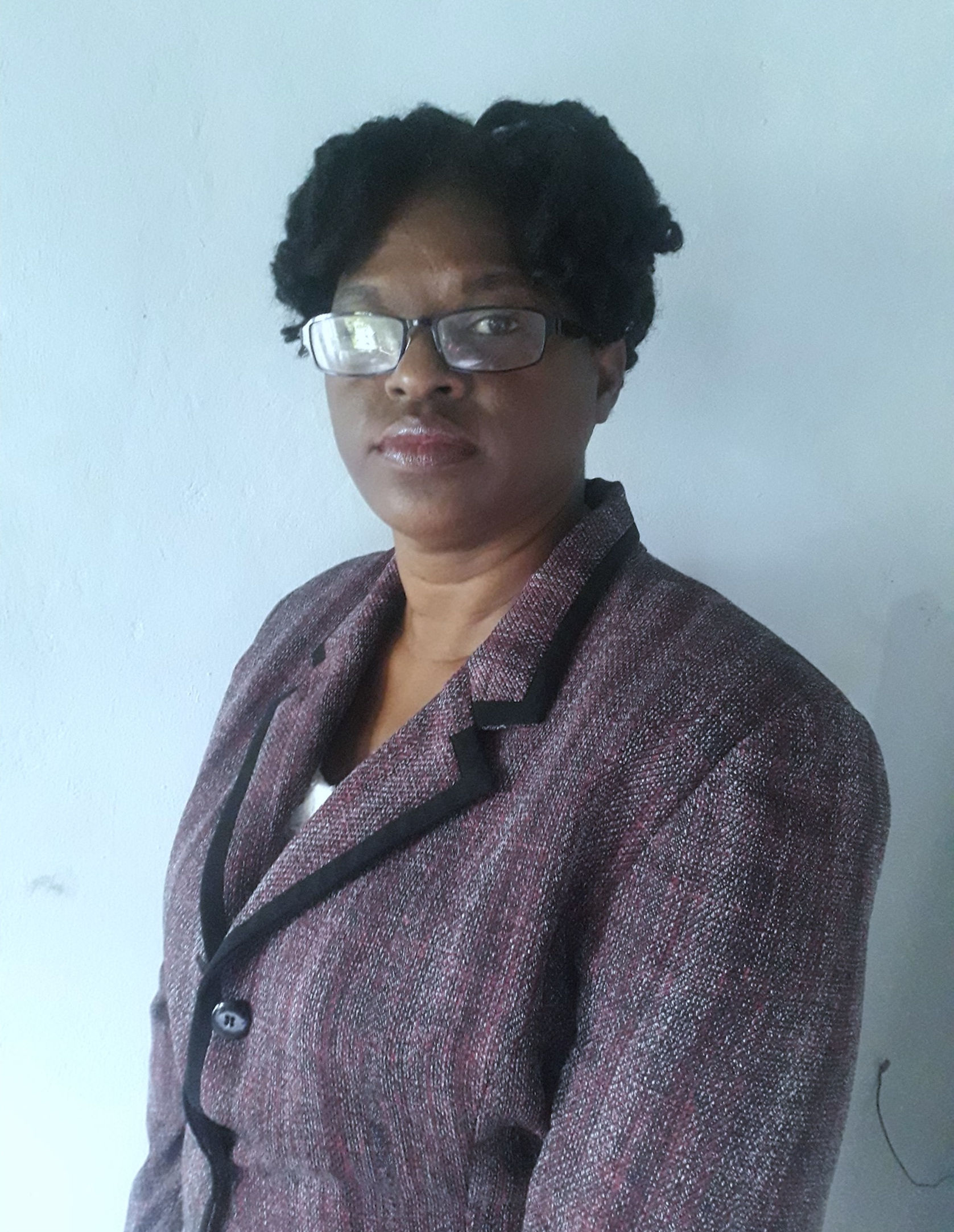
Ms Glenda Gonzales has been an Adjunct Lecturer at the University of the Southern Caribbean (USC) since 2019, teaching various courses in social sciences including Introduction to Psychology, Substance Abuse Education, Statistics for the Behavioural Sciences and Methods of Social Research. She earned her Bachelor of Science degree (B.Sc.) in Psychology at USC in 2016, and a Master of Science (M.Sc.) in Criminology and Criminal Justice from the University of the West Indies (UWI) in 2018.
Ms Gonzales’ professional experience includes serving as a subject matter expert in the field of penology for online education. She has acted as a Project Implementation Officer for numerous social and community-based initiatives with governmental agencies and international institutions, including the United Nations Development Programme Global Environment Facility. Additionally, Ms Gonzales provides private consultancy and educational services.
Ms Gonzales has pioneered the establishment of many community initiatives and served on the board of several community organisations, including the St James Empowerment Foundation, Cocorite Vision 20/20 Community Group, Spree Simon Community Development Group, Eastern Quarry Improvement Committee, Angelina Trace Community Group, Morvant/ Laventille Youth Agricultural Network and various other local change organisations.
In addition to her teaching and leadership roles, Ms Gonzales has assisted in many research initiatives, both foreign and local. These include Father Absenteeism and Adolescent Behaviours in St Maarten, Guidance Counselling and Student Achievement in Guyana, Subjective Relative Deprivation and Youth Mental Health in Grenada and Trauma Exposure and Police Officers' Well-being in Trinidad and Tobago.
Ms Gonzales is a civic-minded individual who has actively engaged with youth development for the past twenty-six (26) years. Working alongside governmental and institutional agencies, local groups and Non-Governmental Organisations (NGOs) on developmental and educational initiatives has given her the opportunity to contribute to national development - one person at a time. Ms Gonzales continues to advocate for social change through the promotion of education.
More Results


