UTT Main Website
UTT Represents Trinidad and Tobago at EMSA Workshop on Shipping Noise
11 views Print version (opens in a new tab)
Lisbon, Portugal | 12–13 October 2026
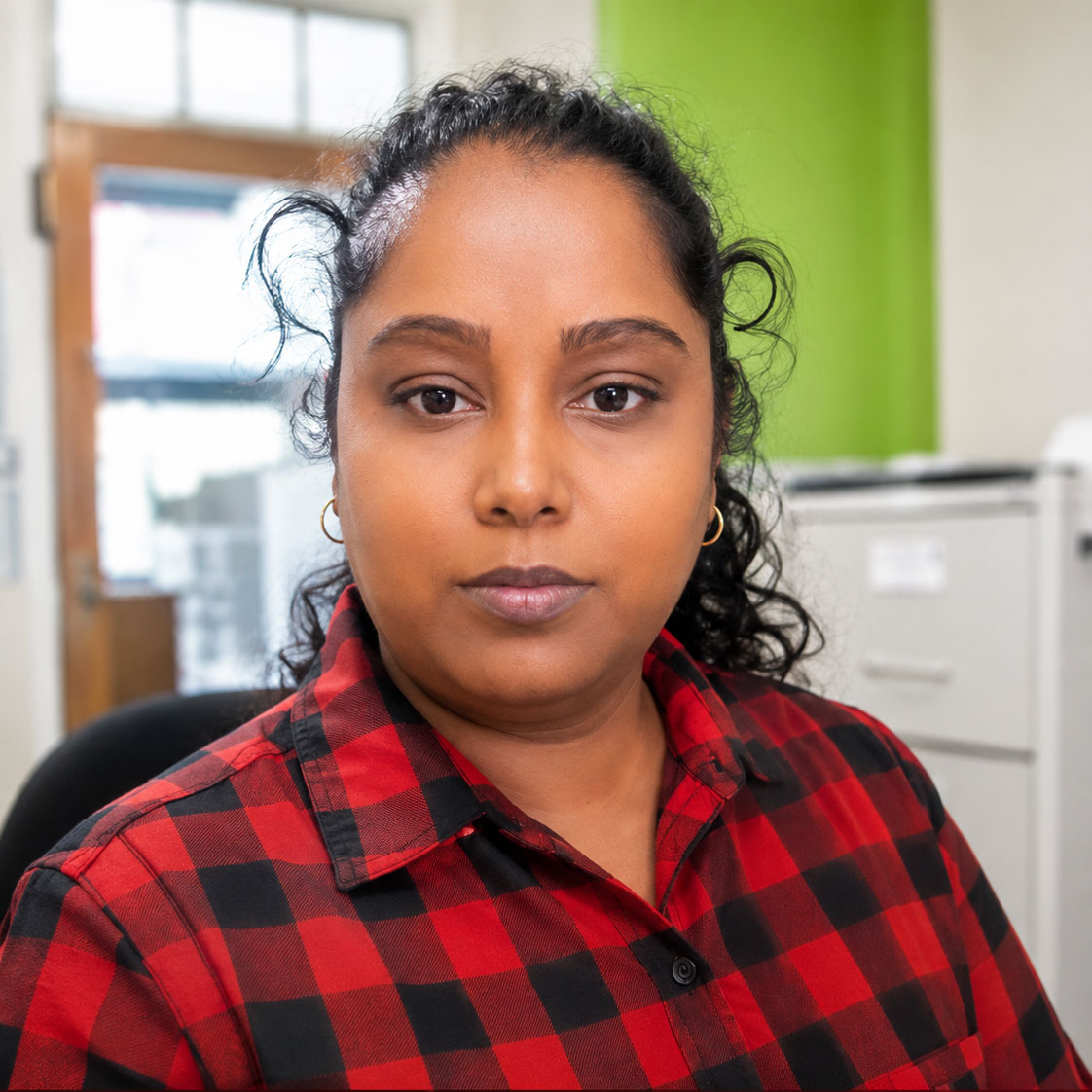
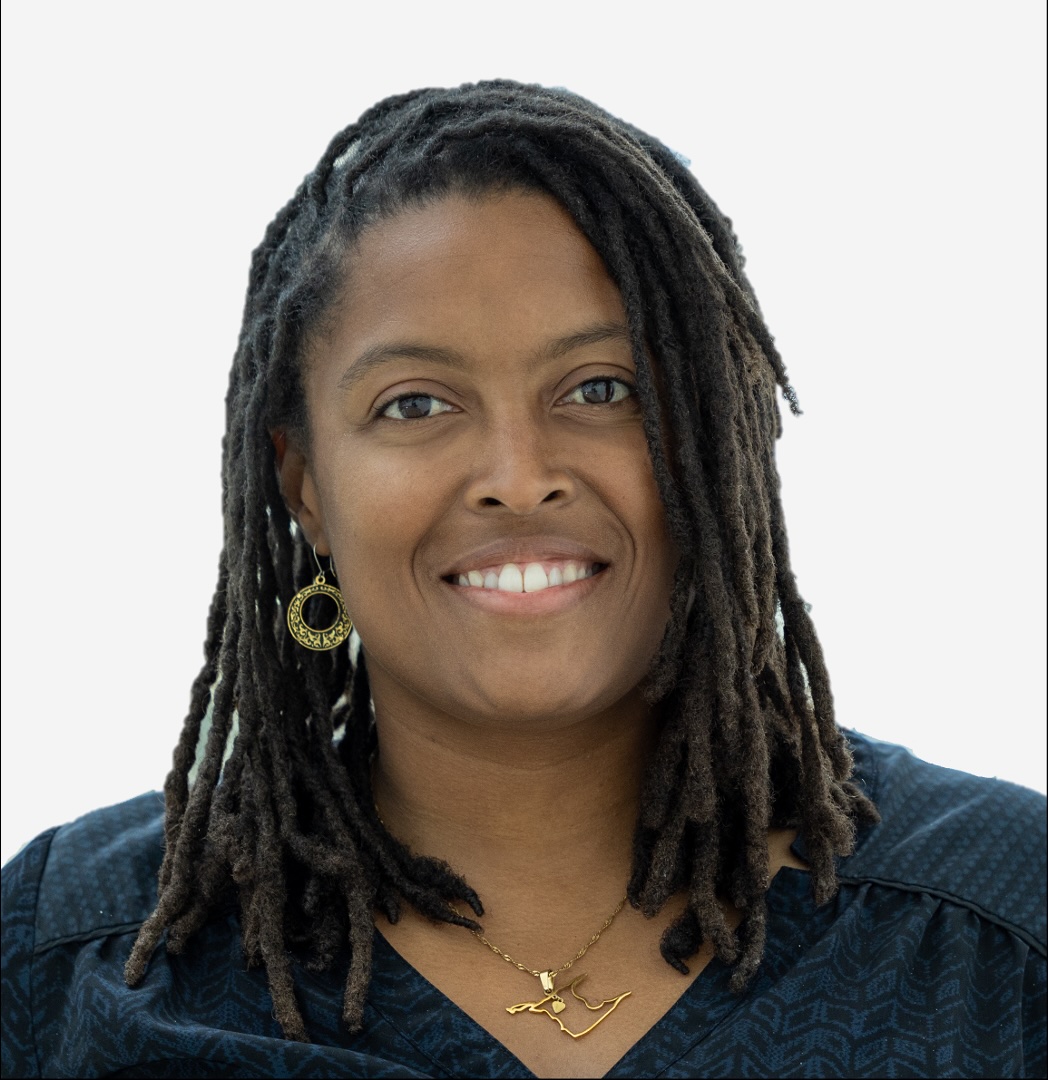
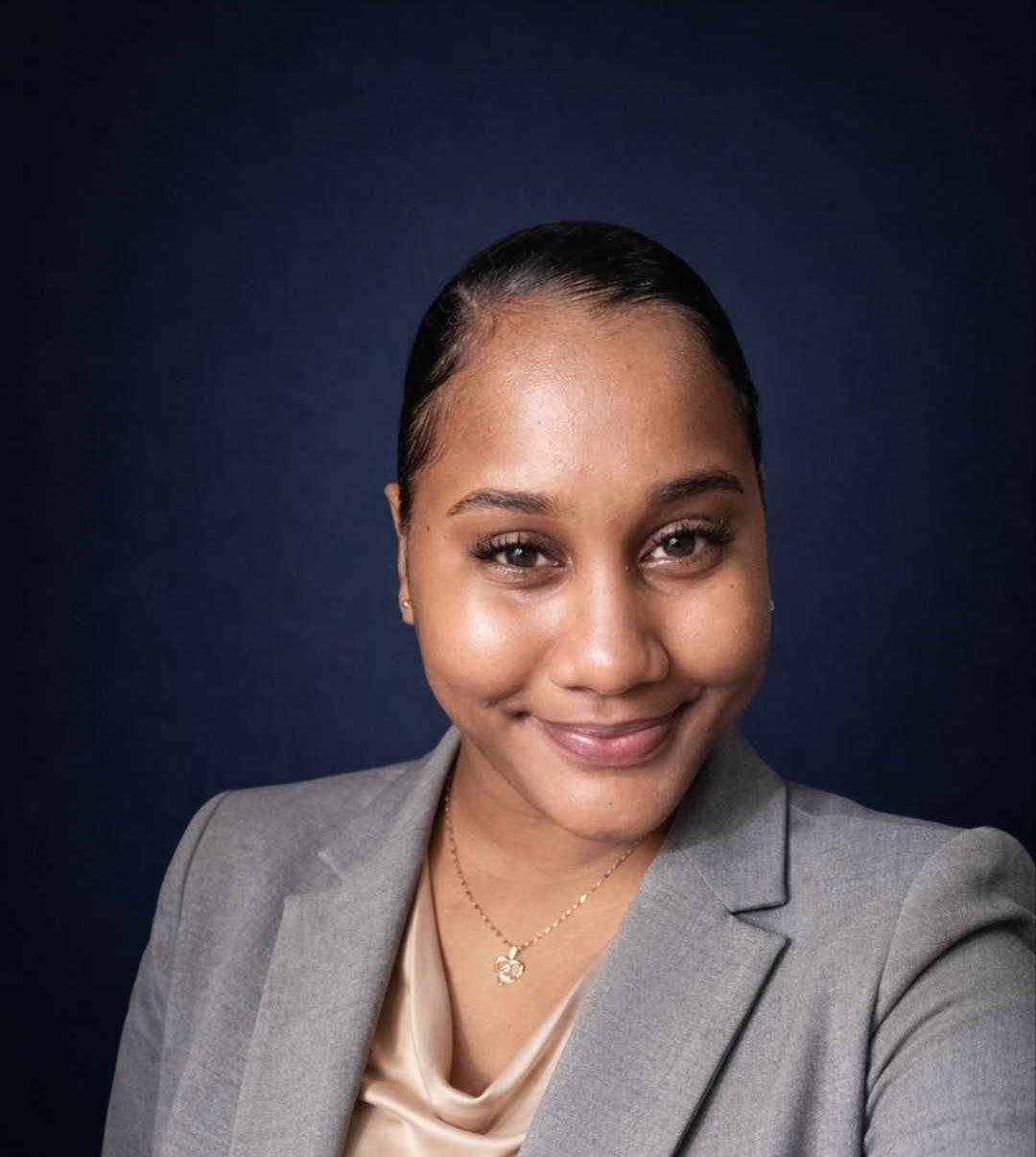
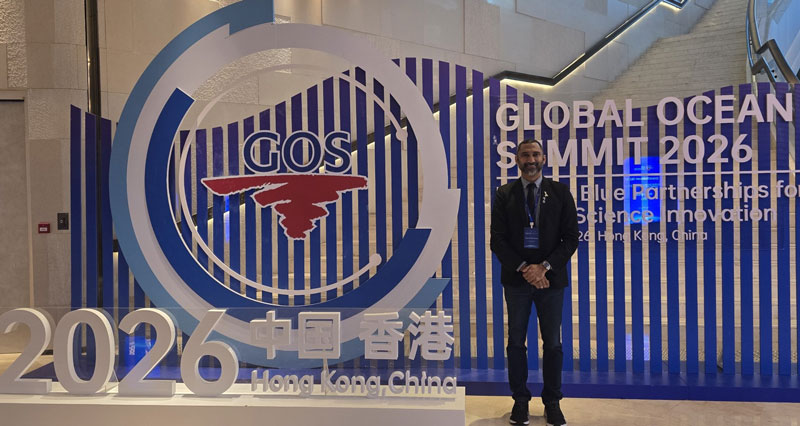
Ms Chevelle Gollop, Research Assistant, Centre for Maritime and Ocean Studies, represented Trinidad and Tobago at an international workshop on underwater noise from shipping, in Portugal.
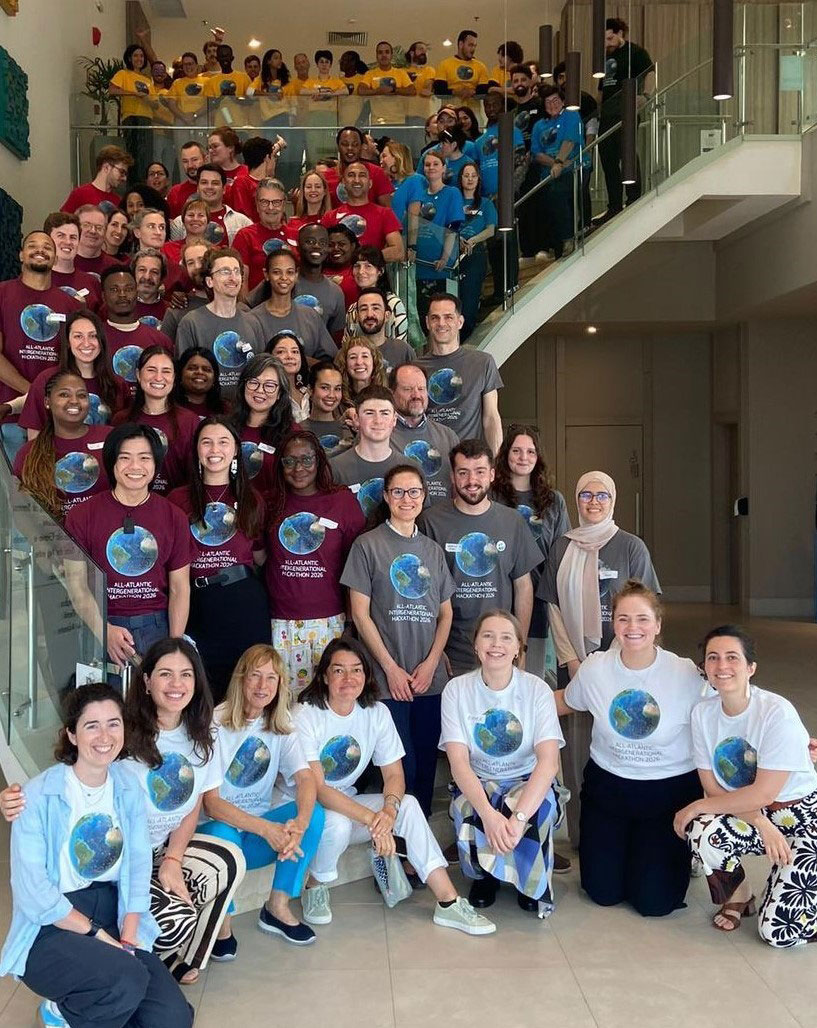
Hosted by the European Maritime Safety Agency (EMSA), the workshop brought together 114 participants from 32 countries to discuss practical ways to reduce underwater noise from ships.
Trinidad and Tobago was one of five countries represented at the GloNoise Partnership workshop, alongside Argentina, Chile, Costa Rica and South Africa, all participating in the initiative led by the International Maritime Organization (IMO).
Why shipping noise matters
Noise from ships can interfere with the sounds whales, dolphins and fish rely on to communicate, navigate and find food. Understanding how that noise travels can help identify areas where measures to reduce it could benefit marine life. Ms Gollop presented Trinidad and Tobago’s research in the Gulf of Paria, a busy area for shipping and fishing, which is shared with Venezuela. Working with the Maritime Services Division (MSD), which leads the project nationally, UTT researchers are using computer models to map how shipping noise travels through the Gulf. They are also deploying underwater microphones, known as hydrophones, at several locations to measure sound levels. Together, the modelled and recorded data will help the team identify areas where shipping noise may affect marine life.
At the workshop, Ms Gollop also highlighted the importance of speaking directly with local fishers. Because most pirogues do not carry vessel-tracking equipment, the team visited fish landing sites to learn about the boats fishers use and when they go out. With limited room to shift shipping lanes in the Gulf, input from fishers will help shape measures that can work alongside existing fishing and shipping activity. For the efforts and progress made over the past two years, the IMO team recognised Trinidad and Tobago’s progress in this field of endeavour.
Participants from Canada shared examples of measures they use, as ports and shipping companies agreed to voluntary speed reductions in sensitive areas. European examples showed how redesigned propellers and electric ferries can reduce underwater noise, with fuel savings also reported. Chile and Costa Rica shared how they brought government agencies, ports and communities together to address the issue.
A central message from the workshop was that existing research can guide practical action. For Trinidad and Tobago, the next step is to agree on who will lead and support each measure. Options include reducing vessel speeds in selected areas, working with port users to develop voluntary measures, and measuring vessel noise near local ports.
Involvement in the workshop helped UTT establish new contacts with partners in Europe, Latin America, Africa and North America. EMSA’s final workshop report recommends support for a second phase of the GloNoise Partnership. A second phase would help Trinidad and Tobago use its research to develop measures that protect marine life and take the needs of fishing communities into account.