
Postcolonial Ritual Theatre and Performance: An Investigation of the Jouvay Popular Theatre Process (JPTP) in Trinidad and Tobag
Mar 16, 2022 | Views:208799 |
 Print Version

Office of Research, Impact and Postgraduate Studies
presents
Postcolonial Ritual Theatre and Performance: An Investigation of the Jouvay Popular Theatre Process (JPTP) in Trinidad and Tobago
by Ms. Susan B. SandifordMyriad theatrical and performance models have evolved from several parts of the world with no significant examination of Caribbean models that have emerged as a result of slavery, apprenticeship, emancipation, and indentureship, in post-colonial societies. As such, this research seeks to introduce and examine, one such model, the Jouvay Popular Theatre Process (JPTP). Developed by Tony Hall, this theatrical process emerged from post-colonial, popular theatre, and performance theories, Caribbean history and culture and in particular the Trinidad and Tobago carnival jouvay. The process, through improvisations inclusive of all performing arts media explores traditional carnival masquerade as prototypes and archetypes, which serve as building blocks for artistic performances. The three main steps of the process traverse the historical and social contexts of the masquerades, from which participants locate their traditional character, which culminates in brief improvised performances, which can be further developed as full products. The method seeks to liberate and empower, while structuring identity. Thus, the jouvay ritual of covering bodies with paint, oil or mud, or all, and its traditional characters and performances serve as a liminal act of transformation and rebirth.
Wednesday 16th March, 2022 at 1:00 p.m.

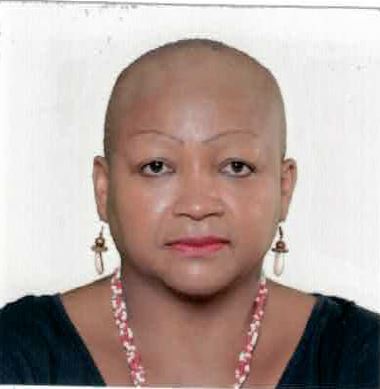
Ms. SUSAN B. SANDIFORD was part of the first cohort of graduates of the University of the West Indies’ (UWI) Certificate in Theatre Arts and Practitioner in Theatre Arts programmes, based in the Creative Arts Centre at St. Augustine campus in 1988 and 1992.
More Results


