
From Columbus to COVID: Investigating neo-acculturation as the determinant of qualitative development and performance...
Sep 7, 2022 | Views:208512 |
 Print Version

Office of Research, Impact and Postgraduate Studies
presents
From Columbus to COVID: Investigating neo-acculturation as the determinant of qualitative development and performance of Trinidad and Tobago's public service
by Mr. Luke L. PantinCulture defines a way of life that is rooted and subsumed in anthropological and sociological practice. It is holistic, multi-dimensional, the aggregate of morals, beliefs, attitudes, habits, norms, art, traditions, and customs that are imposed, learned, and transmuted over generations.
In the case of Trinidad and Tobago, centuries of ruthless, imperial domination at the hands of diverse European conquerors and colonizers, mass importation of African slaves, indentured East Indians, and the obliteration of the native population, radically remodeled the thinking, value forms, language, dance, cuisine, religion and social behaviors of the inhabitants. Conjoined also with the sociological commingling of immigrant Chinese, Venezuelan, and Middle Eastern lifestyles, these influences imbibed and assimilated into the local culture breeding complex potpourris of “Indo-Trinidadian, creole, or Afro-Trinidadian” (Brereton, 1996, p.111) and other smaller, blended cultural varieties.
This study will investigate the impacts of five centuries (1498 to 2020) of historic, societal events; of discovery, colonization, slavery, emancipation, indentureship, and independence on 'Trinbagonian' culture. It will show to what extent the qualitative performance of the public service has been shaped by this complex, cultural transformation; and whether neo-acculturation is a barrier, a catalyst or both, to improving the social capital and quantifiable goodwill of the public service.
From an epistemological perspective, cultural anthropology is the paradigm adopted by scholars for investigating the impacts of culture on a society, over time and space. However, few studies exist that address the impacts of the relationship between cultural metamorphosis and performance in the public service.
Wednesday 7th September, 2022 at 10:30 a.m.

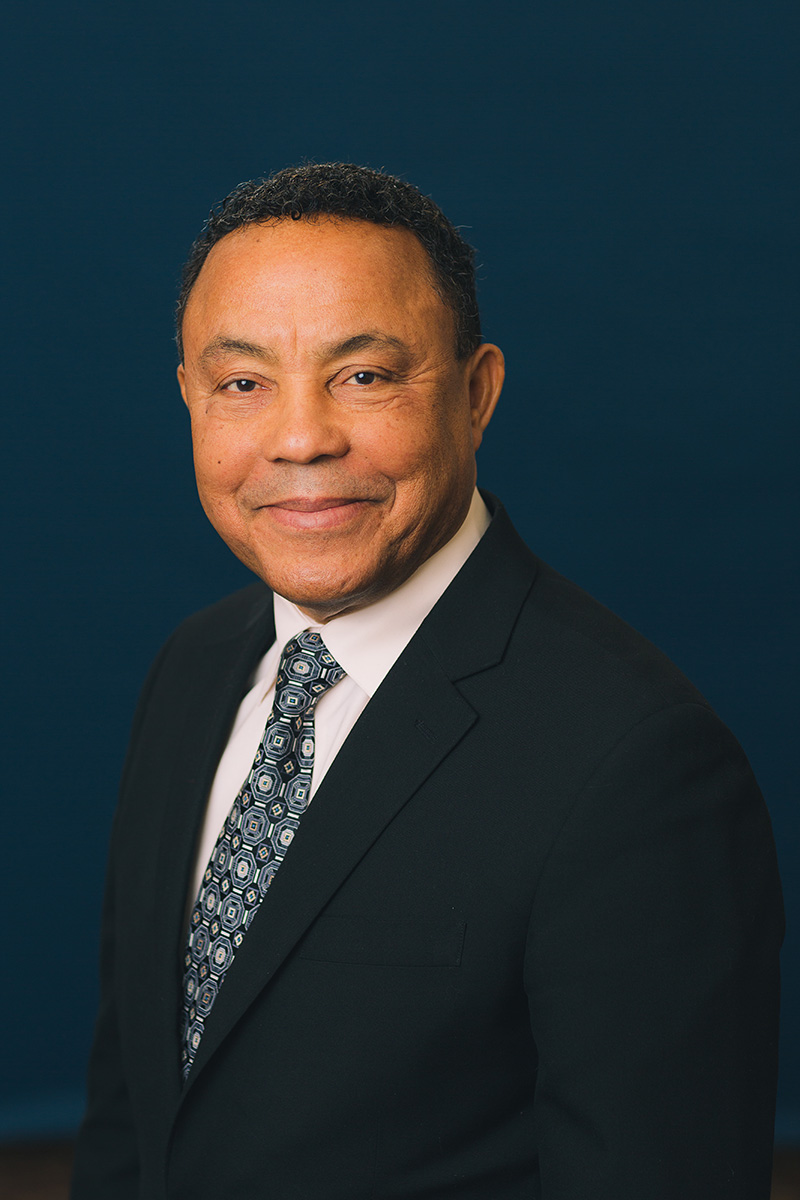
Mr. LUKE L. PANTIN is a bilingual (English/Spanish) native of Trinidad. He emigrated to Venezuela in 1972, after successfully completing his A' Level education, and later to Canada in 1992. His professional experience spans forty-five (45) years as a practitioner of strategic planning, sustainability, community change leadership, organisational management, public administration, economic development, tourism and culture.
He is known as a practitioner of efficient, effective public service delivery and reform. His specialisations include: capacity building, public engagement, risk, brand equity, process and total quality management; communications, marketing, policy systems, community planning, workforce development, international commerce and trade.
He has worked extensively in Canada, Latin America and the Caribbean, providing leadership acuity to a broad nexus of federal, provincial, territorial, municipal, aboriginal, public and private institutions.
He is the former Managing Director of Data-Craft Latin America & Caribbean, Senior Director/Acting Assistant and Deputy Minister of Economic Development of the Governments of Alberta and Yukon. He has also held directorships on various boards and public policy teams including the:
- AT&T Latin America & Caribbean Distribution Council
- Economic Developers Association of Alberta
- Economic Developers Association of British Colombia
- Canadian Manufacturing & Exporting Association
- Economic Developers Association of Canada
- International Economic Development Council
Motivated by long-held interests in his own complex Spanish, Portuguese, Carib, African and Indian ancestry, he pursued tireless private research of a broad bibliography of Spanish, Caribbean and Latin American history and literature.
Luke holds Bachelor of Arts and Master of Business Administration degrees, along with Graduate Diplomas in Economic Development, Public Service Management, Semiotics, and Public Engagement.
More Results


