

The Marine and Environmental Sciences (MAES) introduces UTTs Advanced Centre for Coastal and Ocean Research and Development (ACCORD)
Vision
All stakeholders have increased appreciation and understanding of the importance of the coastal and oceanic environments and their resources, thereby enhancing opportunities for entrepreneurial, technological, socio-economical and policy developmentMission
To become the premier Caribbean centre for applied research and development, education, training and outreach in coastal and oceanic sciences
We have many natural resources...
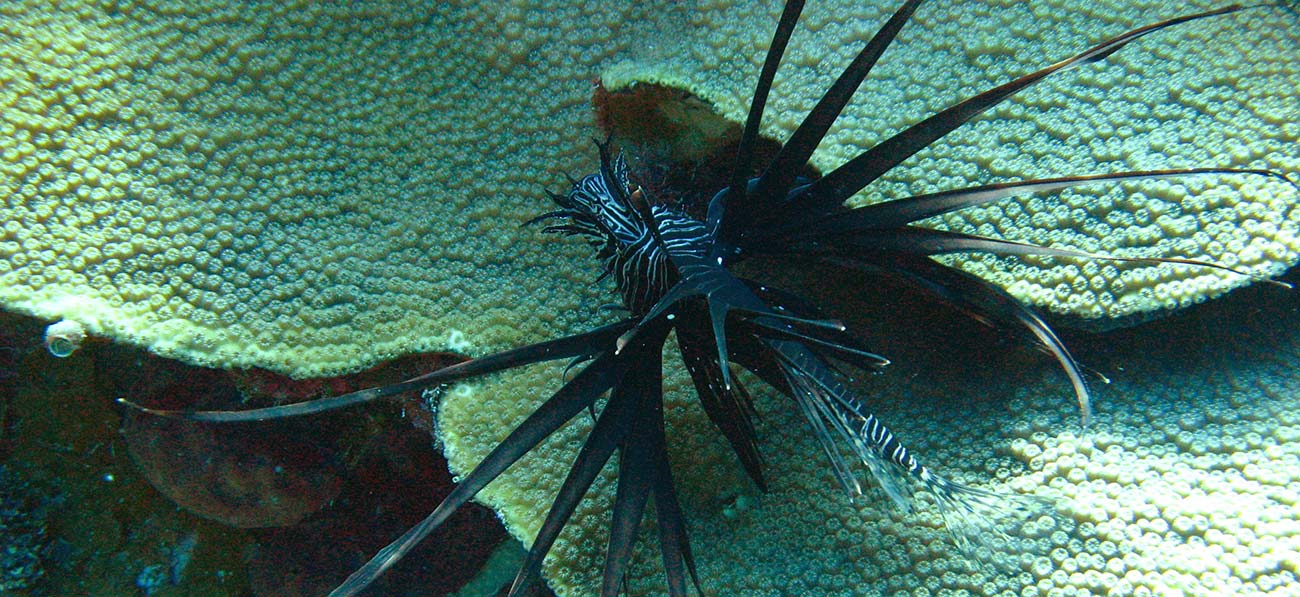
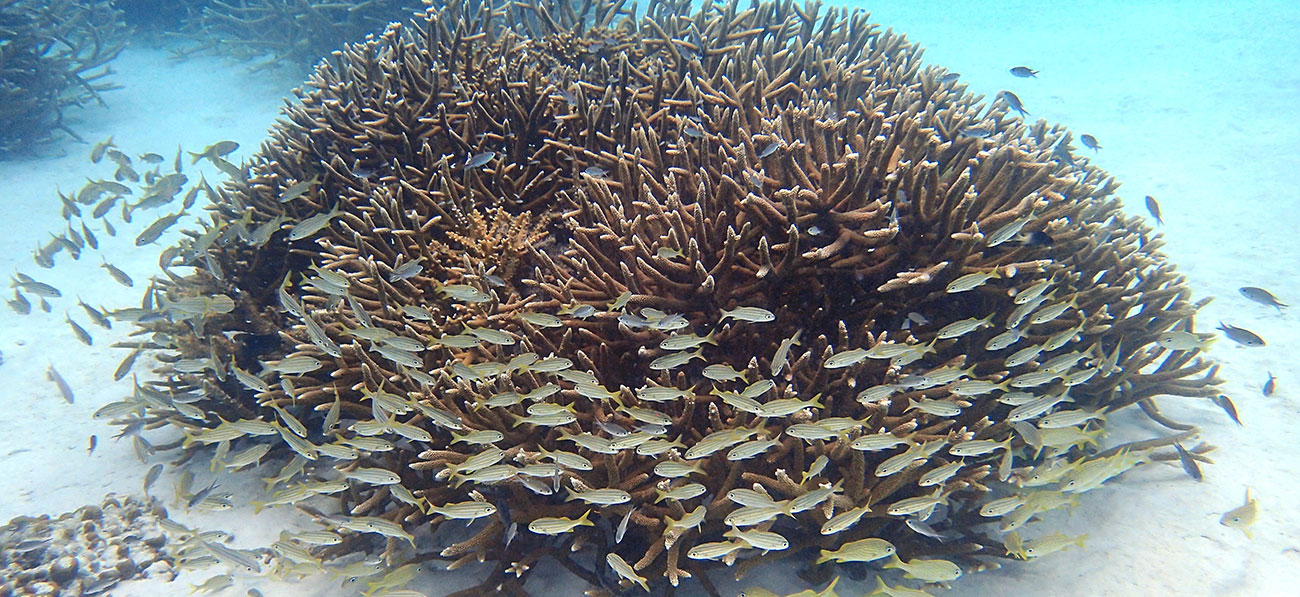
Trinidad and Tobago is an archipelagic State. Our rich biodiversity is influenced by the presence of estuarine, coastal and oceanic environmental conditions. We have sensitive coastal and oceanic ecosystems of national and international importance. Our larger wetlands (Nariva and Caroni) and coral reefs (the Buccoo Reef Complex and Speyside marine area) are internationally acclaimed. We also boast abundant turtle populations, habitat for migratory species (e.g. Scarlet Ibis, flyingfish and associated species, cetaceans), rich fishing and shrimping grounds, bathing beaches, a host of natural products (e.g. sea moss, sponges), deposits of crude oil and vast natural gas reserves. These are all contained in a marine area which is 15 times greater than our land territories.
...and they are utilized by many
We have exploited these resources to support our economic, social, and cultural activities. Energy exploitation comes mainly from the marine areas and currently supplies approximately 60% of our nation’s GDP. Fisheries provides a livelihood as well as supplies many coastal communities with dietary protein. In the absence of large public parks, the beaches and coral reefs have been providing nationals and visitors alike a recreational outlet. We are also a major trans-shipment point, with multiple ports of entry on Trinidad’s west coast alone.
...But ACCORD aims to address the issues!
Given the value of these resources and their exploitation, it is inevitable that user conflicts have arisen, and without adequate management there will be unsustainable use and eventual degradation of the environment. ACCORD aims to address these salient issues through offering applied taught-research combination degrees, which can then be applied towards management, other research and teaching opportunities, and consultancies, innovation and entrepreneurial prospects.
SUCCESS STORIES
Her paper examines how satellite imagery and Google Earth Engine can support affordable and consistent monitoring of Trinidad’s Arena, Navet and Hollis reservoirs...
Alain Johnson has transformed his lifelong love for the ocean into a meaningful career in environmental conservation. He is currently employed as an Environmental Officer at the National Parks Authority, Nelson’s Dockyard National Park, Antigua and Barbuda.
Kendal serves as a Marine Science Educator and Programme Coordinator at the College of the Marshall Islands, located in the central Pacific Ocean between Hawaii and Australia...
RESEARCH
As the global community grapples with the adverse effects of plastic pollution, Shivonne Peters delves deeper into this pressing environmental issue, with a mission to protect and preserve Trinidad and Tobago’s precious marine environment.
The IOCCG is an international committee of experts including scientists, academics and managers that are dedicated to the study of ocean colour properties from satellite data....
The Urban and Regional Information Systems Association (URISA), hosted its 8th biennial Caribbean GIS conference at the Hilton, Barbados from September 5th - 8th 2016. The conference...
Mr. Deanesh Ramsewak - Senior Instructor (Marine Sciences Programme) attended the 3rd International Ocean Colour Science (IOCS) meeting in Lisbon, Portugal during 15th to 19th May 2017.
The Ocean Teacher Digital Repositories training course was hosted by the international oceanographic data and information exchange (IODE) at its regional training centre in Santa Marta, Colombia from November 27th-30th 2017.
PROGRAMMES


